


You've probably heard the warnings. "Don't get a credit card in college." "Debt is bad." "Stick to cash." While well-intentioned, this advice often leaves students facing a massive wall the moment they graduate. You walk across the stage, diploma in hand, ready to rent your first real apartment or buy a car, only to hear the dreaded words: "You have no credit history."
It feels unfair. You've studied, worked hard, and maybe even held down a part-time job. But in the eyes of the financial world, you're invisible. The frustration of needing credit to get credit is a classic catch-22 that trips up millions of recent grads.
Here's the truth: understanding why college students should build credit is the secret weapon to bypassing those post-grad hurdles. Instead of scrambling to catch up later, you can start building a foundation now-safely and easily-so that when you enter the "real world," doors open for you instead of slamming shut.
We know it doesn't sound very safe. Between exams, social lives, and figuring out what you want to do with your life, adding "financial management" to the list feels like a chore. But it doesn't have to be complicated. Think of building credit like a background app running on your phone; once you set it up, it works for you while you focus on everything else.
The "Real World" Hits Fast
Most students assume credit scores only matter when you want to buy a house, which feels decades away. In reality, your credit score is more like an adult report card that gets checked constantly.
Renting Your First Apartment
Landlords in 2025 are stricter than ever. They want proof that you're reliable. If you have no credit history, you'll likely need a co-signer (thanks, Mom and Dad) or be asked to put down a massive security deposit. Building a score now means you can sign that lease independently later.
Utilities and Cell Phones
Even setting up Wi-Fi or getting a new phone plan often requires a credit check. Without a score, utility companies may charge you deposit fees to turn the lights on. Good credit waives those fees, keeping cash in your pocket.
Employment Checks
Your GPA may or may not be something that your employers care about. But for jobs specific to finance or banking, employers may check your credit history to ensure that you're responsible enough to handle your own finances- especially considering that you will be handling others. A solid history goes beyond your personal habits and may be a topic for discussion when applying for different types of jobs. A solid credit history signals that you're organized and trustworthy.

Student Loans and Future Rates
If you're like millions of students, you're already navigating the world of student loans. It's vital to understand the landscape of what you owe. What is the Difference Between Subsidized and Unsubsidized Student Loans? Knowing the difference can save you money on interest while you're still in school.
But beyond just paying them back, your credit score plays a huge role if you ever want to refinance those loans after graduation. A viable option: refinancing- can lower your monthly payments and interest rates. It's essential to note, though, that these loans are usually reserved for borrowers with good credit scores. Building credit now is planting seeds for lower payments later.
Credit Cards vs. Safer Alternatives
When looking for advice, you'll see many sources suggesting you open a credit card. A recent article from Self.inc titled Why Should College Students Have Credit Cards? outlines that cards can be a tool for earning rewards and establishing history.
While being an excellent point, standard credit cards are a double-edged sword. If you miss one payment or max out your limit during vacation, your score will surely tank. Tackle that will high interest rates, you can trap yourself in a cycle of debt before your career even begins.
The Cheers Difference: Safe and Simple
This is where Cheers changes the game. We designed a tool specifically for people who want to build credit without the risk of spiraling credit card debt.
Cheers is a credit builder loan, not a credit card. Here's how it works:
- No Hard Credit Check: We don't care about your past; we care about your future. You can apply without a hard pull on your report.
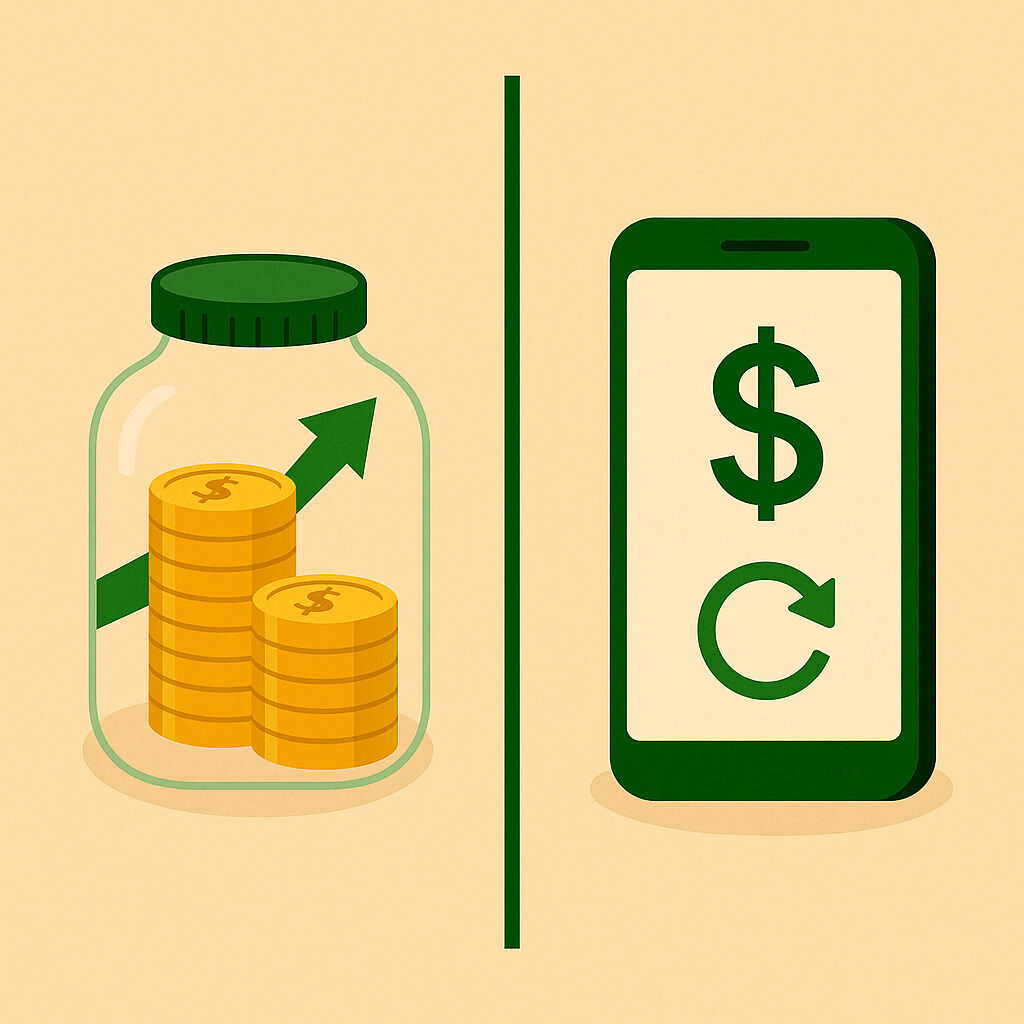
- Forced Savings: Your payments are held securely in a Certificate of Deposit (CD). At the end of your term, you get your savings back, minus interest.¹
- Builds History Automatically: We report your payments to the bureaus. Since payment history makes up 35% of your credit score, on-time payments are the most powerful way to boost your profile.²
Why Speed Matters
Most credit tools take a month or more to even show up on your report. We know you don't have time to wait. Cheers uses accelerated reporting to get your account and first payment reported to all three credit bureaus-Equifax, Experian, and TransUnion as little as 15 days.³
This is perfect for students who want to see results quickly. By the time you graduate, you could have years of payment history on your report, putting you miles ahead of your peers.
Plus, we keep it affordable. Cheers charges a fixed 12.15% APR, which is significantly lower than many similar products that charge upwards of 36%.⁴ There are no hidden fees, no administration fees⁵, and you can cancel anytime without penalty.⁶
Taking the First Step
While working hard in the classroom, you can easily let your money start to work for your credit reputation. By starting small and consistently, you're setting yourself up for a life where you get the "Yes" on the car loan, the apartment application, and the best interest rates.
If you're ready to dive deeper into the specifics of starting your journey, check out our guide on How to Start Building Credit. It covers everything you need to know to go from "invisible" to "unstoppable".
Your future Self will thank you for starting today. Cheers to that!
This content is for informational purposes only and does not constitute financial advice. Please consult a licensed financial advisor or tax professional before making any financial decisions.
(The opinions expressed in this article are the author’s own and do not reflect the view of Sunrise Banks, N.A. Member FDIC.)
References
- Why Should College Students Have Credit Cards? - https://www.self.inc/blog/why-should-college-students-have-credit-cards
¹ Sunrise Banks: Cheers is a financial technology company and not a bank. Banking services are provided by Sunrise Banks N.A. Your funds are FDIC insured up to $250,000 through Sunrise Banks, N.A., Member FDIC.
² FICO® Credit Factors: According to FICO®, 35% of your credit score is based on payment history, and 10% is based on credit mix. Cheers reports every payment and adds a secured installment loan to your profile. Source: myFICO: https://www.myfico.com/credit-education/whats-in-your-credit-score
³ Accelerated Reporting: Accelerated reporting applies to the opening of your account, plus the first payment. Credit bureau reporting occurs monthly thereafter.
⁴ APR Comparison & Affordability: Cheers Interest is calculated using an amortized repayment schedule at a fixed 12.15% Annual Percentage Rate (APR). Comparable products may charge APRs up to 36%, according to publicly available terms.
⁵ No Hidden Fees: There are no application fees, maintenance fees, or early cancellation penalties.
⁶ Cancel Anytime & Get Savings Back: At the end of your term, your total savings (minus interest) is returned to you. You can cancel your account at any time without penalty.

















.png)