


Starting a business can be complicated, especially when you don’t have the capital. You have the business model and the audience, but your lack of funding can limit you significantly- especially when competing with other established businesses. As frustrating as it can be, it’s evident that you need a financial history to get the funding for your business. However, you also need funding to establish a financial history.
Many young entrepreneurs go through similar struggles, but the good news is that you don’t need a big operating account or high-revenue business model to attract investors anymore. With all the tools available to build your credit, there are plenty of options to establish your credit history.
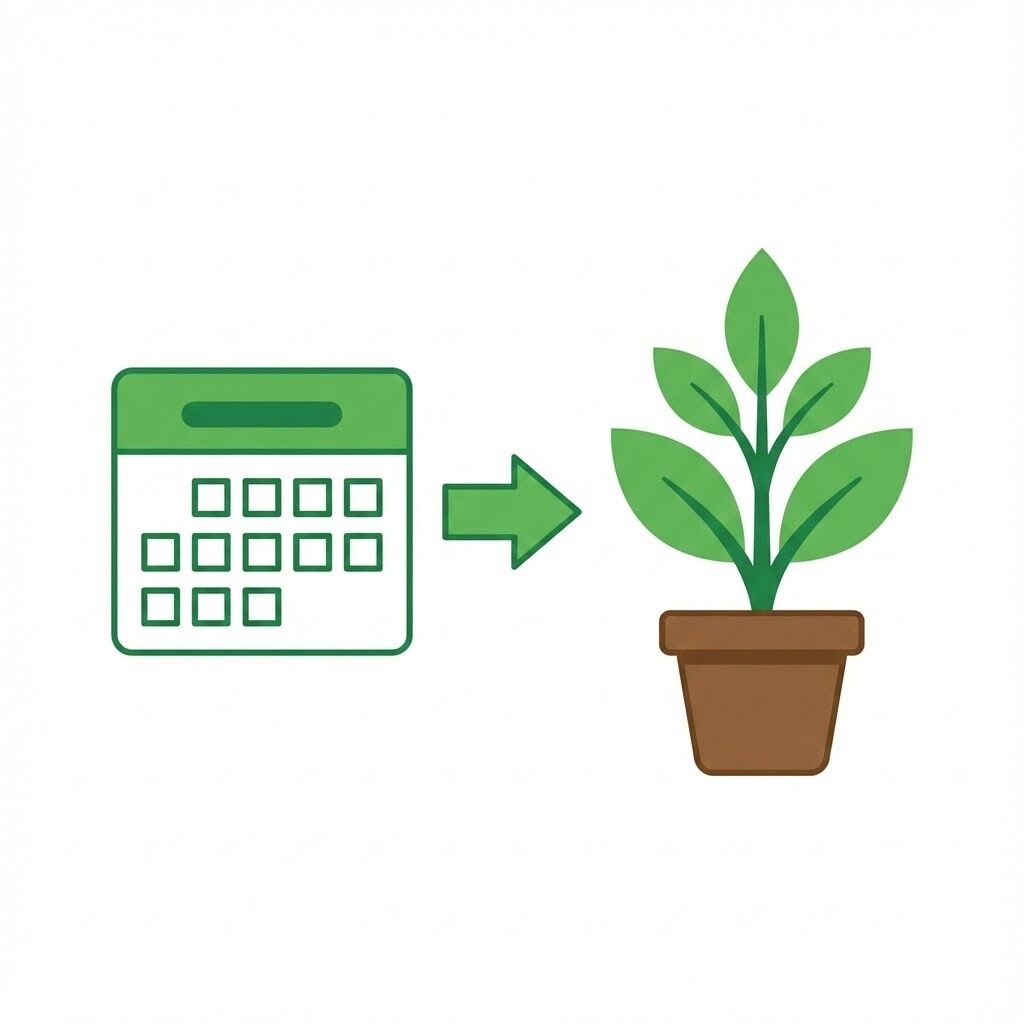
If you’re an entrepreneur starting out with a shoestring budget, the secret lies in your consistency and intentional strategy rather than deep pockets. Taking small and intentional steps, you can position your business to grow steadily and maintain consistent growth.
Establish Your Business Legitimacy First
Before you start investing heavily in your credit, it’s essential to do your research. The most strategic step is to separate your personal identity from your business identity. If you use your personal checking account for your operations or run everything under your own social security, lenders won’t see your business as its own entity, which limits your business from getting loans.
To start, it’s essential to obtain a federal Employer Identification Number (EIN) from the IRS- similar to a Social Security number. Once you obtain your EIN, you are then eligible to open a dedicated business account. With the dedicated business bank account, your business will then be treated as its own entity, which is the first requirement once you decide to start your corporate credit profile.
Beyond banking, small details matter. Ensure your business has a professional phone number and a physical address (even if it's a registered agent or a virtual office). These are low-cost ways to look established. For more specific strategies on getting set up quickly, read our article on How to Build Business Credit Fast: Practical Tips for Entrepreneurs.
Leverage Net-30 Vendor Accounts
You do not need a high-limit corporate credit card to start putting points on the board. One of the most effective ways to generate credit data when you are tight on cash is through "Net-30" vendor accounts. These are arrangements with suppliers that allow you to pay for an invoice 30 days after you receive the goods.
Think about the items you are already buying to keep the lights on, office supplies, packaging materials, or even janitorial products. Many major industrial suppliers offer Net-30 terms to new businesses with little to no credit check. When you buy $50 worth of printer paper and pay the invoice on time, that supplier reports the payment to business credit bureaus.
This is a "shoestring" strategy because you are spending money on necessities you would buy anyway, but you are doing it in a way that builds your reputation. Over time, these small trade lines create a track record of reliability that larger lenders look for.
Why Your Personal Score Still Matters
Building a business financial profile requires a lot of attention, but it's essential not to ignore your personal financial habits. Whether you’re cosigning a loan with your business or just a signer on the account, many lenders, regardless, will look at the business owner’s individual credit profile, especially in the initial startup phase. Also known as a “personal guarantee,” if your business has no credit history, your personal score acts as a proxy for your business’s reliability.
A strong personal profile can unlock better terms, lower interest rates, and faster approvals for your business. If your personal history needs some work, you can tackle it simultaneously without spending much money. This is where you can double down on your efforts. By improving your personal score, you implicitly strengthen your business's borrowing power. If you want a deeper dive into managing your personal profile alongside your business goals, check out 7 Best Ways to Build Credt in 2026.
How to Build Business Credit on a Shoestring Budget with Cheers
This is where a tool like Cheers Credit Builder becomes a massive asset for the budget-conscious entrepreneur. Cheers offers plans starting as low as $24 per month, allowing you to build a payment history for less than a dollar a day. This fits perfectly into a "shoestring" strategy because it is low-cost and high-impact.
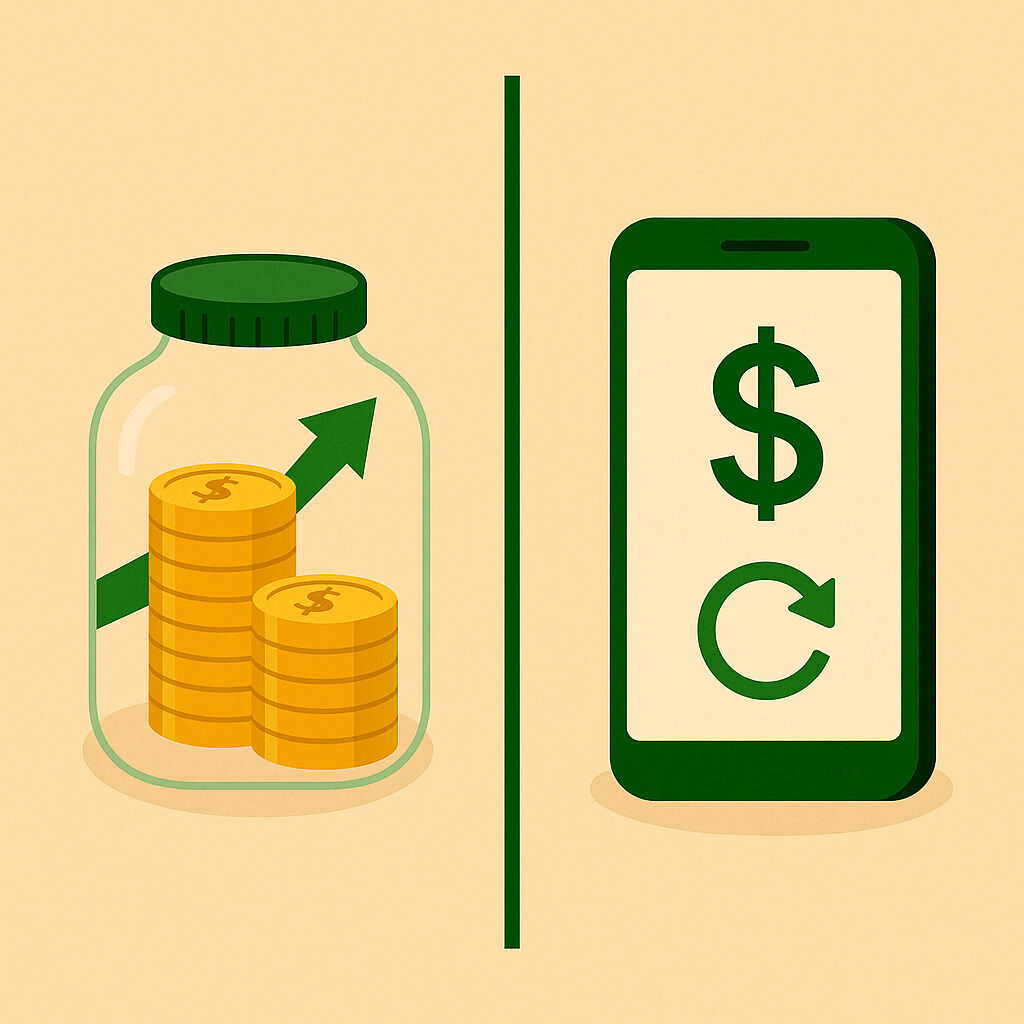
Cheers works differently from a traditional credit card or loan. It is a credit builder loan where your monthly payments are held securely in a Certificate of Deposit (CD). At the end of your term, you get your savings back, minus interest. This method helps you save money for future business expenses, like an emergency fund or equipment purchase, while you build your reputation.
Because time is money, Cheers uses accelerated reporting. Your account and first payment are reported to all three credit bureaus-Equifax, Experian, and TransUnion-within 15 days of account opening¹. This speed is a huge advantage when you are trying to establish a track record quickly.

Keep Costs Low and Transparent
When you’re operating with a shoestring budget, surprise fees can be exhausting. For this reason, you need financial tools that are predictable and transparent. Cheers charges a fixed 12.15% APR, which is significantly lower than many similar products that can charge up to 36%².
There are no application fees, maintenance charges, or early cancellation penalties³. If your business runs into a tight month and you need to pivot, you can cancel at any time and receive the amount you've saved to date, less applicable interest⁴. This flexibility ensures that you stay in control of your business finances without being locked into a contract that hurts your bottom line.
The Role of Secured Business Cards
Another avenue for building credit on a budget is a secured business credit card. Much like a personal secured card, this requires an upfront deposit that acts as your credit limit. Since you are funding the limit yourself, the risk to the issuer is low, making approval much easier for new businesses.
Some great ideas for a secured card can be for small, recurring expenses. Items such as software subscriptions or utility bills keep the card active. Whereas, to ensure that the card is managed responsibly, many secured credit card owners pay the balance in full every month. Which, in terms, avoids interest charges- meaning that the only cost to you is the potential annual fee (however, some don’t have a yearly fee). This method converts your operational spending into a credit-building machine.
Monitor Your Progress and Scale Slowly
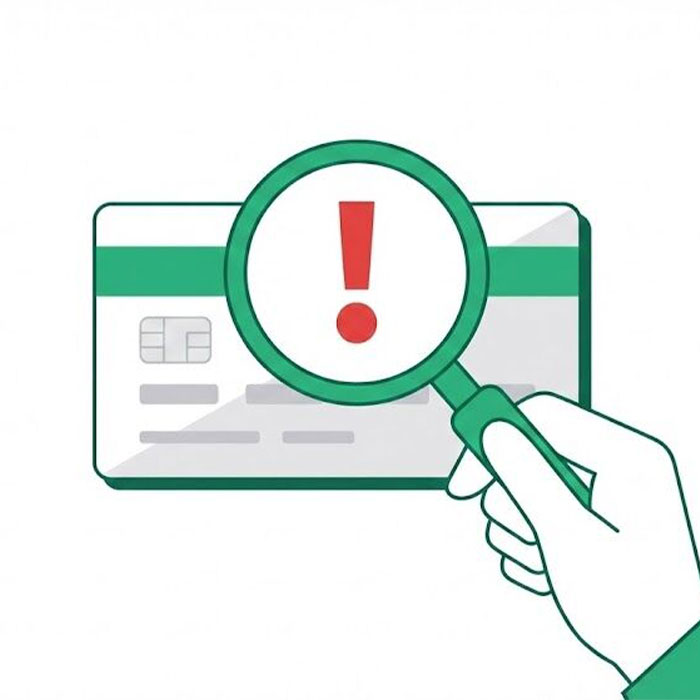
Building credit is not a "set it and forget it" task. You need to watch your reports to ensure your good habits are being recorded correctly. Errors happen, and catching them early saves you headaches later.
It is also smart to compare your progress against industry standards. The Small Business Administration provides excellent resources for keeping your finances in check and understanding how different financing options work as you grow. For a broader perspective on financial management, you can read their guide on How to Build Business Credit on a Shoestring Budget.
Focus on Payment History and Mix
Whether you are paying a Net-30 vendor, a secured credit card, or your Cheers monthly plan, on-time payments are the most significant factor in your score. FICO® data suggests that 35% of a credit score is based on payment history. Missing a payment can set you back significantly, so setting up autopay is a smart move for busy entrepreneurs.
By combining vendor accounts (trade credit) with an installment loan like Cheers, you also improve your "credit mix," which accounts for another 10% of your score⁵. This combination shows lenders that you can handle different types of financial responsibilities, making your business look much less risky to potential investors.
Patience is Your Best Asset
The process of figuring out how build business credit on a shoestring budget is a marathon, not a sprint. It is easy to get discouraged when you don't see massive jumps in your score overnight. However, the age of your credit history also plays a role. The sooner you start-even with small tools like Cheers or a single vendor account-the better your business will look a year from now.
Building business credit doesn’t require deep pockets or a high-revenue model to attract investors; it really comes down to your consistency and reliability- even with a shoestring budget. Start by separating your business from personal, utilizing small vendor credit, and using affordable and transparent tools like Cheers Credit Builder. With patience and consistency, you can build a strong financial reputation. This foundation will eventually open doors to larger funding, where you can convert your shoestring startup into a thriving enterprise.
This content is for informational purposes only and does not constitute financial advice. Please consult a licensed financial advisor or tax professional before making any financial decisions.
(The opinions expressed in this article are the author’s own and do not reflect the view of Sunrise Banks, N.A. Member FDIC.⁶)
1Accelerated Reporting:
Accelerated reporting applies to the opening of your account, plus the first payment. Credit bureau reporting occurs monthly thereafter.
2APR Comparison & Affordability:
Cheers Interest is calculated using an amortized repayment schedule at a fixed 12.15% Annual Percentage Rate (APR). Comparable products may charge APRs up to 36%, according to publicly available terms.
3No Hidden Fees:
There are no application fees, maintenance fees, or early cancellation penalties.
4Cancel Anytime & Get Savings Back:
At the end of your term, your total savings (minus interest) is returned to you. You can cancel your account at any time without penalty.
5FICO® Credit Factors:
According to FICO®, 35% of your credit score is based on payment history, and 10% is based on credit mix. Cheers reports every payment and adds a secured installment loan to your profile. Source: myFICO: https://www.myfico.com/credit-education/whats-in-your-credit-score.
6Sunrise Banks:
Cheers is a financial technology company and not a bank. Banking services are provided by Sunrise Banks N.A. Your funds are FDIC insured up to $250,000 through Sunrise Banks, N.A., Member FDIC.
















.png)